
 lexutor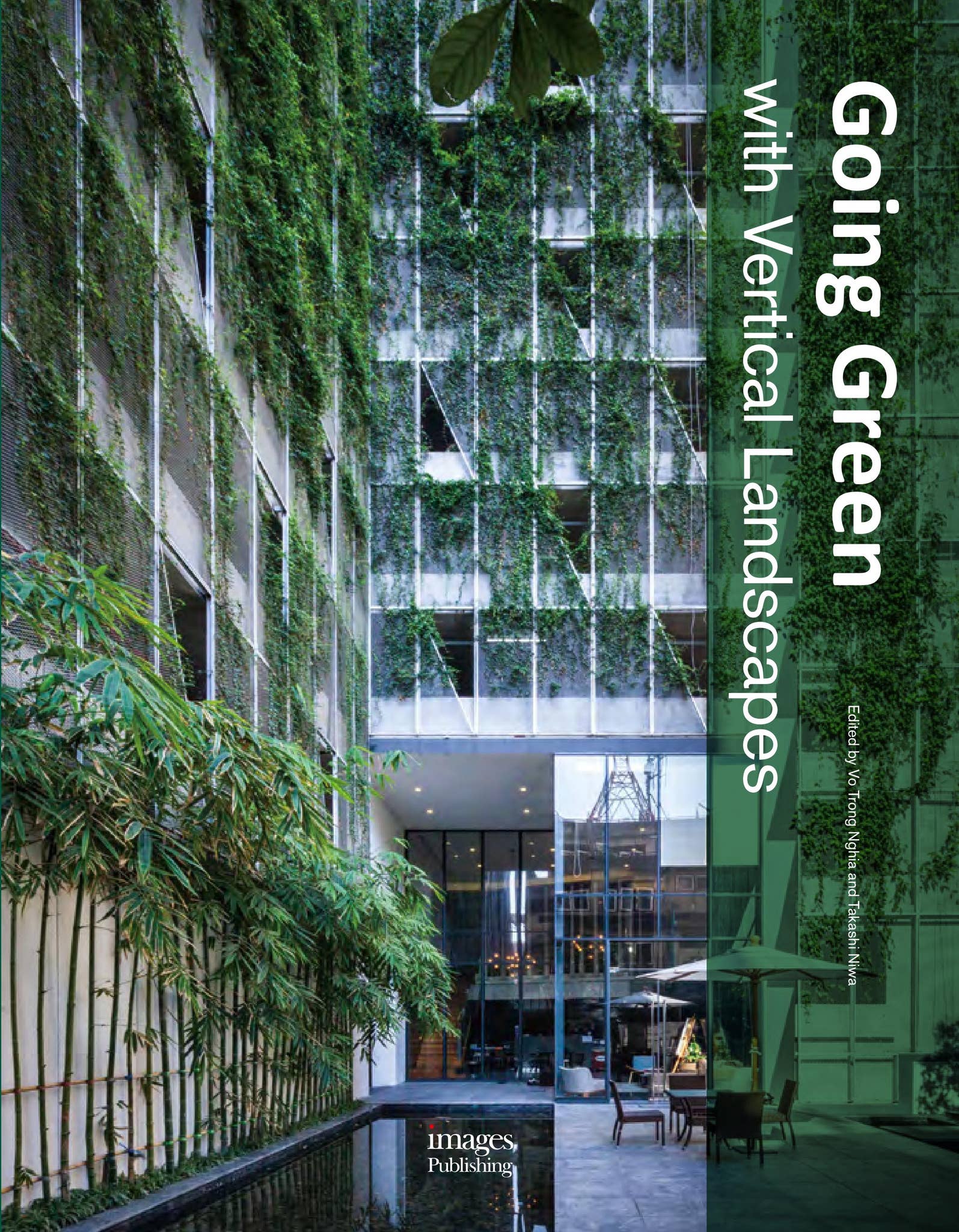
Expert insights into designing, installing, and maintaining living walls and vertical forests for sustainable urban environments.
Designing and implementing living architecture has become a critical aspect of modern urban development. As cities worldwide grapple with climate change, air pollution, and biodiversity loss, integrating natural elements into built environments offers tangible solutions. My work in this field has shown that careful planning is paramount for successful long-term outcomes. This intricate process demands a deep understanding of horticulture, structural engineering, and urban ecology.
Overview
- Vertical Forest & Green Façade Integration offers significant ecological and aesthetic benefits to urban settings.
- Effective design requires balancing plant selection, structural support, irrigation systems, and climatic conditions.
- Successful projects prioritize plant health through tailored maintenance schedules and integrated pest management.
- Costs vary significantly based on system complexity, plant species, and building scale, requiring detailed budgeting.
- The long-term sustainability and positive impact on urban microclimates make these systems valuable investments.
- Regulatory frameworks and building codes in regions like the US are evolving to support such green initiatives.
- Future urban landscapes will increasingly feature living facades to promote biodiversity and human well-being.
Design Principles for Vertical Forest & Green Façade Integration
Successful Vertical Forest & Green Façade Integration begins with a robust design strategy. My experience emphasizes the importance of site-specific analysis. Factors like solar exposure, wind patterns, and local climate dictate plant selection and system type. We evaluate structures for load-bearing capacity and develop appropriate support systems for the chosen vegetation. Root protection and adequate drainage are non-negotiable for plant longevity. Different systems exist, from modular panels to cable and trellis solutions, each suiting specific architectural visions and plant types.
Irrigation is another critical design element. A precisely engineered system, often drip or spray-based, ensures plants receive sufficient water without waste. Water recycling from rain or greywater sources can be integrated, adding to sustainability. Plant species selection is crucial. Native species often perform best, requiring less water and resisting local pests. We must also account for plant growth over time. Projections for mature size and weight help avoid future structural issues or unwanted shading. Expert horticultural input at this stage prevents costly mistakes later on.
Key Considerations for Biophilic Building Elements
Moving beyond aesthetics, biophilic design principles are central to integrating natural elements. These systems connect building occupants with nature, improving well-being. A critical factor is understanding how plants interact with the building itself. This includes managing moisture to prevent structural damage and ensuring root systems do not compromise building envelopes. We always specify root barriers and proper waterproofing layers. Another key consideration involves access for maintenance, which must be built into the design from the outset.
Thermal performance is also important. Green facades can reduce a building’s energy consumption by shading walls and insulating against temperature extremes. This translates into lower heating and cooling costs. Air quality is another benefit. Plants filter pollutants and produce oxygen. Sound dampening properties also contribute to a quieter urban environment. These functional benefits justify the initial investment. Effective designs integrate these elements seamlessly into the building’s overall fabric.
Installation and Maintenance of Vertical Forest & Green Façade Integration
The actual installation of a Vertical Forest & Green Façade Integration project demands precision and expertise. This typically involves skilled teams familiar with both construction and horticulture. Safety protocols are stringent, especially when working at height. Pre-growing plant modules off-site can streamline the process, reducing on-site disruption and accelerating visible results. During installation, every component, from the structural framework to the irrigation lines, must be correctly positioned and secured. Thorough testing of the irrigation system is always conducted before final planting.
Maintenance is continuous and vital for the system’s health and longevity. It involves regular plant inspection, pruning, and disease management. Nutrient delivery through fertilization is scheduled based on plant needs. Irrigation systems require routine checks and adjustments, especially with seasonal changes. My teams perform regular structural integrity checks, ensuring all fixtures remain secure. Neglecting maintenance inevitably leads to plant failure and costly replacements. Establishing a long-term maintenance contract from the project start is standard practice.
The Future Impact of Vertical Forest & Green Façade Integration on Urban Planning
The adoption of Vertical Forest & Green Façade Integration is gaining momentum globally. Urban planners recognize their potential to address critical environmental challenges. These systems contribute significantly to urban biodiversity, creating new habitats for insects and birds. They also play a role in stormwater management, absorbing rainfall and reducing runoff. This lessens the burden on city drainage systems, a major benefit during heavy rain events. The visual appeal also adds value to properties and entire neighborhoods.
Looking forward, the integration of smart technologies will further optimize these systems. Sensors can monitor plant health, soil moisture, and nutrient levels, allowing for more precise and automated care. Public policy and green building certifications continue to drive their implementation. Many cities are offering incentives for green infrastructure projects. As our understanding of urban ecosystems deepens, living facades will become standard in sustainable urban design, creating greener, healthier, and more resilient cities for everyone.



 Laura
Laura


