
 lexutor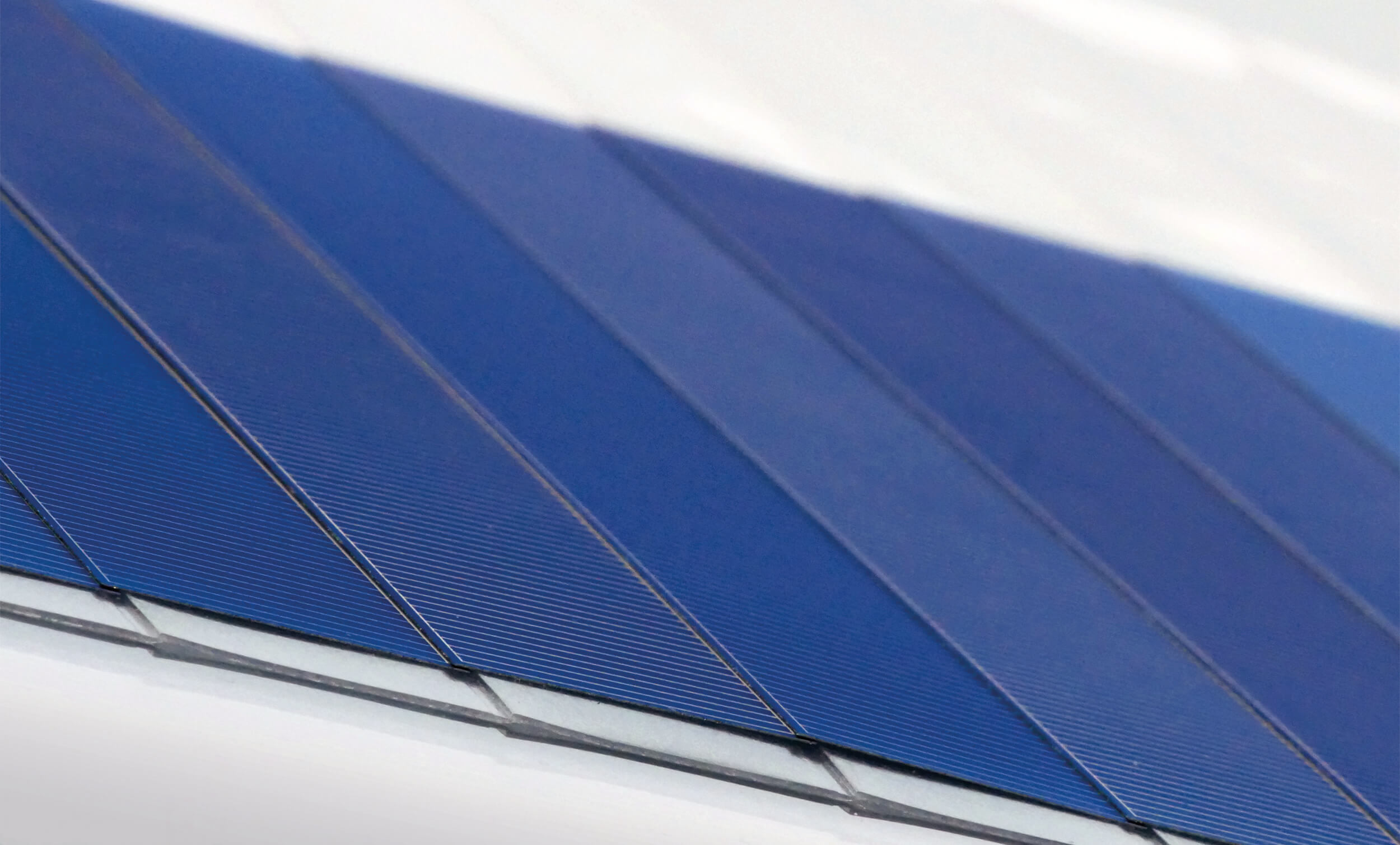
Integrating solar PV into roofs offers aesthetic appeal & energy efficiency. Learn about deploying Solar Roof Shingles & Integrated Photovoltaics.

The shift towards renewable energy sources is evident across the US and globally. Homeowners and businesses increasingly seek sustainable solutions. Among these, solar roof shingles and integrated photovoltaic systems stand out. They offer both energy generation and a seamless aesthetic. My experience with these installations provides practical insights into their deployment. It’s a field where technical precision meets architectural vision.
Overview
- Solar Roof Shingles & Integrated Photovoltaics merge energy production with building materials.
- These systems offer a discreet alternative to traditional panel installations.
- Initial project evaluation involves structural assessment and energy needs analysis.
- Installation requires specialized roofing and electrical skills.
- Performance depends on roof orientation, shading, and local climate.
- Long-term benefits include reduced electricity bills and property value increase.
- Various financial incentives and rebates can offset upfront costs.
- Maintenance is generally low, similar to a standard roof.
- Careful selection of materials and installers is crucial for system longevity.
Initial Considerations for Solar Roof Shingles & Integrated Photovoltaics
Before any installation, a thorough site assessment is paramount. This isn’t just about solar exposure. It involves evaluating the existing roof structure for integrity and load-bearing capacity. Integrated systems add weight, although often less than traditional panels plus a new roof. We check the roof’s pitch, orientation, and potential shading from trees or nearby buildings. Any significant shading can dramatically reduce energy output. Local building codes and homeowner association (HOA) regulations also require careful review. Some HOAs have strict aesthetic guidelines. This is where the integrated nature of Solar Roof Shingles & Integrated Photovoltaics truly shines. They often satisfy even the strictest visual requirements. We help clients understand their projected energy consumption. This informs the system’s size and expected generation. Energy audits are a helpful first step. They pinpoint areas for efficiency improvements before adding solar. This foundational planning prevents costly surprises later.
Installation and Integration Methodologies
The installation process for integrated photovoltaics differs significantly from typical panel mounts. It’s a roofing project first, an electrical project second. Specialized roofing teams familiar with these materials are essential. They ensure proper waterproofing and secure fastening. Each solar shingle or tile functions as a roofing material while also producing electricity. Wiring is often integrated directly beneath the shingles. This requires meticulous planning to avoid future leaks or connectivity issues. The electrical work then connects these individual units to an inverter. The inverter converts the DC power generated by the shingles into usable AC power for the home. A crucial component is the main service panel upgrade, which might be necessary. This ensures it can handle the additional power flow. Proper grounding and safety disconnects are always priorities. We often collaborate closely with electricians and structural engineers. This guarantees a safe and compliant installation. The goal is a unified system that protects the home and generates clean energy for decades.
Performance and Longevity of Solar Roof Shingles & Integrated Photovoltaics
Once installed, the performance of Solar Roof Shingles & Integrated Photovoltaics becomes a key measure. Output efficiency typically ranges from 15-20%, comparable to many standard panels. However, their main advantage is their dual function and discreet appearance. Monitoring systems allow homeowners to track daily energy production. This helps in understanding consumption patterns and system health. The lifespan of these integrated systems is often on par with traditional roofing materials. Many manufacturers offer warranties ranging from 20 to 30 years for both power output and material integrity. Durability is a strong selling point. These systems are designed to withstand various weather conditions, including hail and high winds. Maintenance is minimal, usually involving occasional cleaning to remove debris. Regular inspections, similar to any roof, are recommended. These checks ensure all components remain secure and functional. A properly installed system provides consistent energy generation over its long life.
Economic Factors and Incentives for Sustainable Roof Systems
The upfront cost of installing integrated photovoltaics can be higher than traditional solar panels. However, this cost often includes replacing the existing roof. When viewed as a combined roofing and energy generation investment, the economics become clearer. Several financial mechanisms exist to offset these initial expenditures. In the US, the federal solar tax credit offers a significant percentage off the system cost. State and local incentives, such as rebates or property tax exemptions, can further reduce the net price. We guide clients through available programs. This helps them maximize their savings. The long-term return on investment comes from reduced or eliminated electricity bills. This hedging against rising energy costs offers substantial financial benefits over time. Increased property value is another advantage. Homes with integrated solar solutions are often more attractive to buyers. This makes them a wise financial decision for many property owners.


 Laura
Laura


